
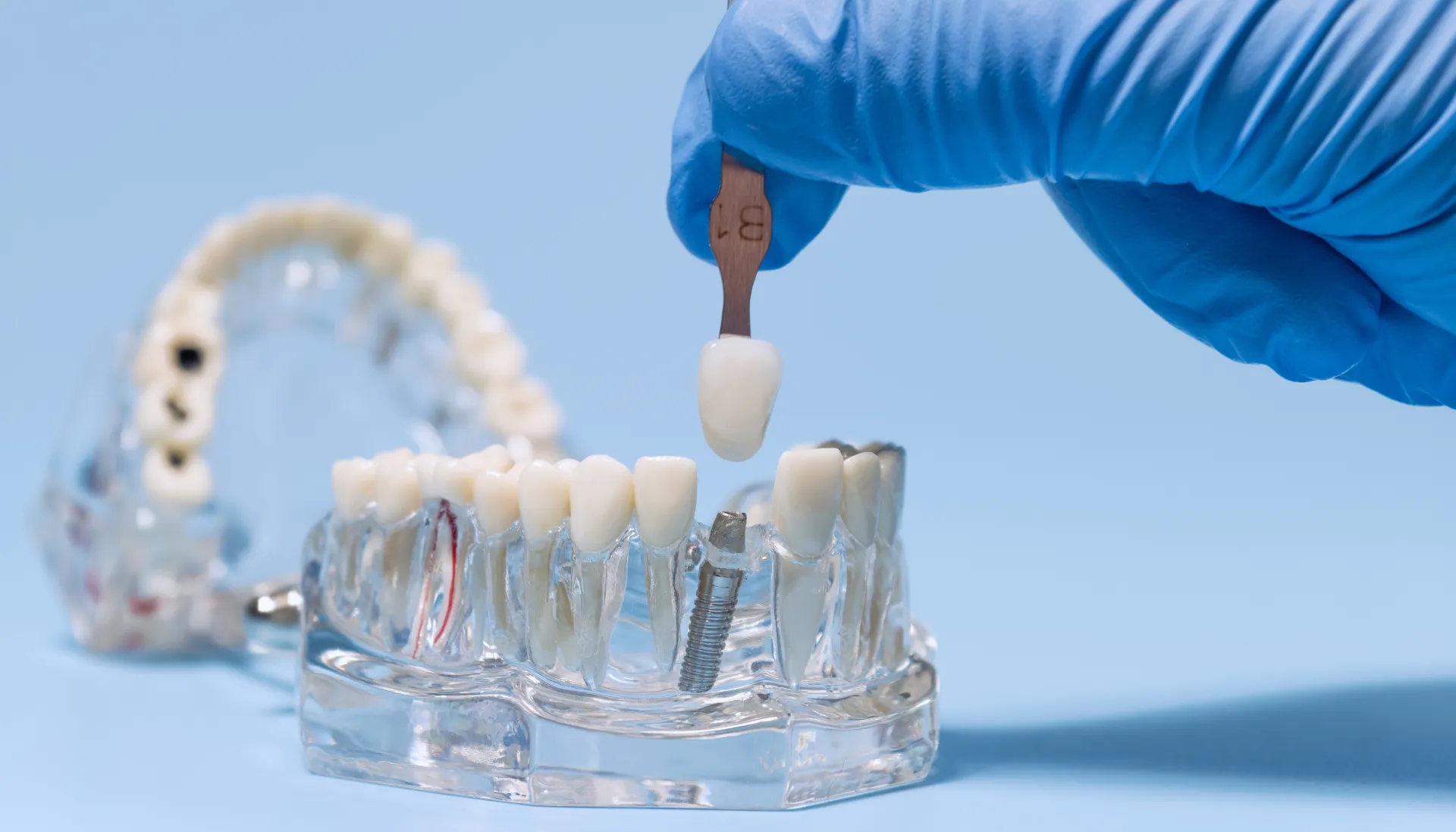
Advanced Bone Reconstruction
Bone Augmentation in Cumming, GA
Bone augmentation restores jawbone volume and density when significant bone loss has occurred. Dr. William Shin at Jawline Oral Surgery uses advanced surgical techniques to rebuild your jawbone, creating the structural support needed for dental implants and long-term oral health.
Understanding the Procedure
What Is Bone Augmentation?
Bone augmentation is a surgical procedure that adds bone tissue to areas of the jaw where volume has been lost. While the term is closely related to bone grafting, bone augmentation typically refers to more extensive reconstruction where larger volumes of bone need to be rebuilt, often involving the entire jawbone ridge or multiple sites.
This procedure is particularly important for patients who have gone without teeth for an extended period, have experienced trauma to the jaw, or have significant bone loss from periodontal disease. By rebuilding the jawbone, bone augmentation makes it possible to place dental implants that might otherwise not be an option.
Key Differences
Bone Augmentation vs Bone Grafting
Scope of Treatment
Bone grafting often addresses localized defects, while bone augmentation may involve rebuilding larger areas of the jaw to restore overall volume and contour.
Surgical Complexity
Augmentation procedures may require more advanced techniques, including guided bone regeneration with barrier membranes, block grafts, or distraction osteogenesis.
Healing Timeline
Because augmentation rebuilds larger bone volumes, healing may take longer to allow complete integration before implant placement can proceed.
OMS Expertise Required
Bone augmentation is best performed by a board-certified oral and maxillofacial surgeon with specialized training in jaw reconstruction, like Dr. Shin.
What to Expect
The Bone Augmentation Process
3D Evaluation
Dr. Shin uses CBCT imaging to map your bone loss precisely and plan the augmentation procedure.
Surgical Augmentation
Under sedation, bone graft material is placed and secured with membranes or fixation devices. PRF therapy may be applied to promote faster healing.
Bone Regeneration
Over several months, the graft material integrates with your natural bone, rebuilding volume and strength. Follow-up imaging tracks progress.
Implant Readiness
Once your jawbone has healed sufficiently, dental implant placement can proceed on a strong, rebuilt foundation.
Common Questions
Bone Augmentation FAQ
Patients who have experienced significant jawbone loss due to long-term tooth loss, trauma, infection, or periodontal disease may need bone augmentation before dental implants can be placed.
Healing typically takes 4 to 9 months depending on the extent of the augmentation. Dr. Shin monitors your progress with follow-up visits and imaging to confirm the bone has regenerated sufficiently.
Not always. Some patients have adequate bone for implants without augmentation. Techniques like All-on-4® can also work around some bone loss. Dr. Shin determines the best approach for your specific situation.
Materials may include autografts (your own bone), allografts (donor bone), xenografts (animal-derived bone), or synthetic substitutes. Guided bone regeneration membranes are often used to protect the graft site during healing.
Rebuild Your Jawbone, Restore Your Options
Schedule a bone augmentation consultation with Dr. William Shin at Jawline Oral Surgery in Cumming, GA.